📖 How to Teach a 3 Year Old to Read: A Supportive Parent Guide
7 min read · 2 Jul 2026
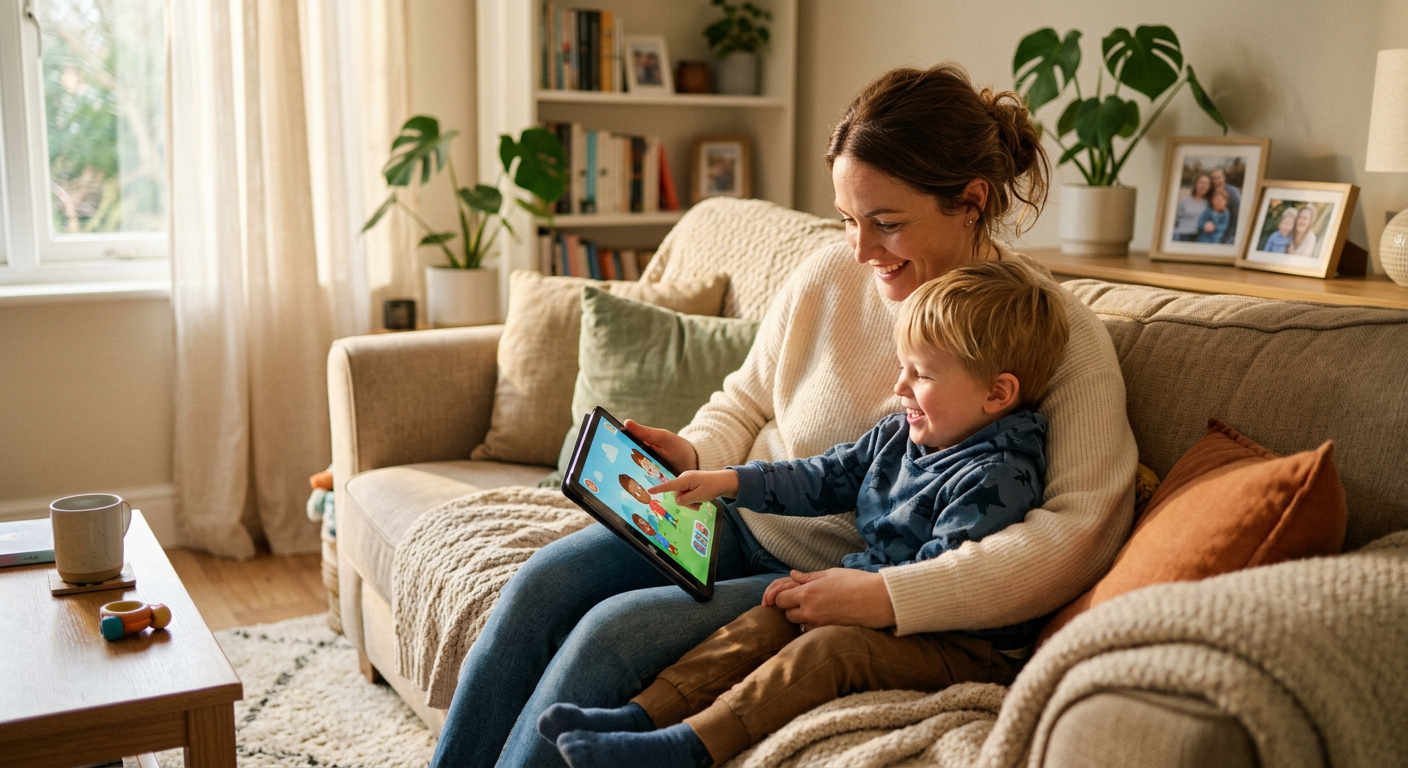
Many parents find themselves watching their toddler mimic reading behaviors and wonder if the time is right to start formal instruction. Specifically, if you are looking for how to teach a 3 year old to read, it is important to first understand that at this age, reading is less about memorizing words and more about developing a deep, playful relationship with sounds. Early literacy development is a marathon, not a sprint, and for a three-year-old, the focus should remain on oral language and phonemic awareness.
At ReadAide, we believe that every child’s path to literacy should be paved with encouragement and evidence-based science. Instead of focusing on flashcards or rote memorization, we emphasize the building blocks of the alphabetic principle in a way that feels like play.
The Foundation: Why Phonemic Awareness Matters
Before a child can decode a sentence, they must understand that spoken words are made up of individual sounds, or phonemes. Research from the National Reading Panel has consistently shown that phonemic awareness is the single best predictor of future reading success. When considering how to teach a 3 year old to read, start with the ears, not the eyes.
Try playing simple sound games during daily routines. For example, while getting dressed, you might say, I see something that starts with the /s/ sound. Is it your sock? This helps the child isolate the initial sound of a word. By focusing on these auditory skills, you are preparing their brain for the moment when those sounds are eventually mapped to letters.
Introducing the Letters of the Alphabet
Once a child shows interest in sounds, you can begin introducing the visual shapes of letters. It is often helpful to start with the letters in their own name, as these hold the most personal significance. When you explore the [interactive alphabet](/alphabet), focus on the sound the letter makes rather than just its name. In the world of phonics, knowing that the letter 'M' says /m/ is far more useful for a beginning reader than simply knowing it is called 'em'.
Keep these sessions short. At age three, five to ten minutes of focused interaction is often plenty. You can use tactile materials like sandpaper letters or even trace letters in a tray of sand or salt. This multi-sensory approach helps solidify the connection between the shape of the letter and the sound it represents.
How to Teach a 3 Year Old to Read Using Phonics
Moving from individual sounds to actual reading involves a process called blending. For a three-year-old, this starts with simple Consonant-Vowel-Consonant (CVC) words like 'cat', 'pig', or 'sun'.
To help your child understand blending, try the robot talk method. Say a word very slowly, segmenting the sounds: /c/... /a/... /t/. Then, ask your child to put the word back together. When they can do this orally, they are ready to try it with printed letters.
ReadAide helps facilitate this transition through our structured curriculum. You can view our different membership levels on our [pricing page](/pricing) to see how we guide children from basic sound recognition into full word blending. Our system ensures that the screen-time they do have is productive, evidence-based, and aligned with the Science of Reading.
Creating a Literacy-Rich Environment
Environmental print is a powerful teacher. Point out signs at the grocery store or labels on cereal boxes. When a child realizes that the symbols on a milk carton actually mean something, a lightbulb often goes off. They begin to see that reading is a tool for navigating the world.
Consistency is more important than intensity. Instead of one long lesson on the weekend, try to incorporate two minutes of sound play before bed or during breakfast. You can track your child's progress and see which phonemes they have mastered by visiting your [parent dashboard](/dashboard), which provides a clear overview of their milestones without making the process feel like a chore for the child.
Screen Time Done Right
In today's digital age, many parents are hesitant about apps, and for good reason. Many generic reading apps rely on flashy animations and 'gamification' that distracts from the actual learning. When investigating how to teach a 3 year old to read effectively, look for programs that prioritize the instructional content over the digital 'toys'.
ReadAide was founded by Ann Ives, a former teacher who understood that technology should serve the curriculum, not the other way around. Our AI story generator, for instance, allows you to create stories that feature your child as the protagonist, using only the sounds they have already learned. This builds immediate confidence and shows them the magic of storytelling from day one.
Patience and the Joy of Reading
Every child develops at their own pace. Some three-year-olds will be ready to blend words immediately, while others will spend several months simply enjoying the sounds of letters. Both are perfectly normal. The goal of teaching a child this young is to foster a love for language and a sense of 'I can do this.'
If your child becomes frustrated, take a step back. Return to reading aloud to them, which remains the best way to build vocabulary and comprehension. By modeling a love for books, you are providing the motivation they need to eventually master the mechanics of reading themselves.
Teaching a young child is a journey of small wins. Celebrate the first time they recognize the /b/ at the start of 'banana' or the first time they see their name on a birthday card. These are the moments that build a lifelong reader.
Ready to start your child's reading journey? 🚀
Try ReadAide free with select lessons.
Get Started Free