📖 How to Teach a 3 Year Old to Read: A Gentle Guide
7 min read · 30 Jun 2026
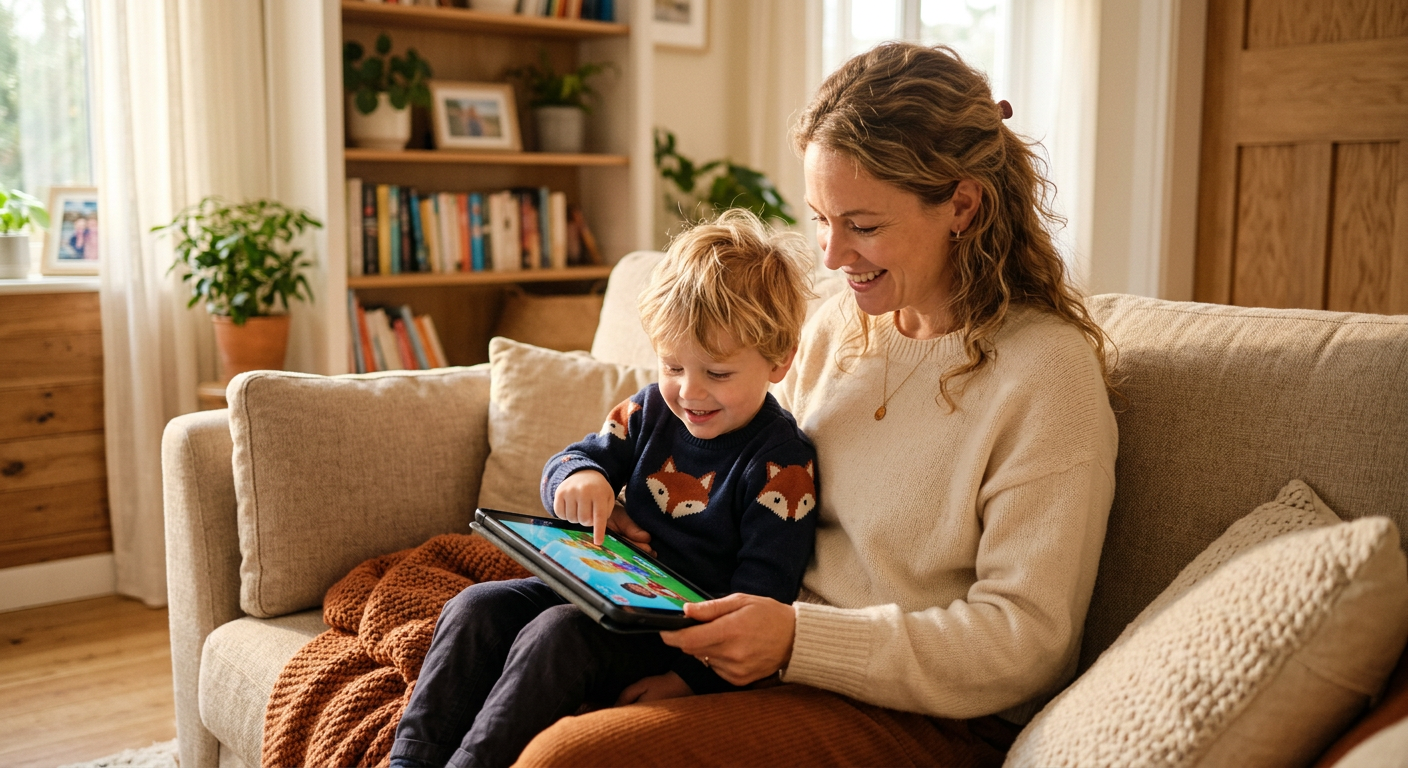
Many parents find themselves watching their toddler mimic reading a favorite board book and wonder if it is time to start formal instruction. When considering how to teach a 3 year old to read, the goal is not to force academic rigor, but to cultivate a joyful relationship with language. At age three, a child’s brain is primed for pattern recognition and sound play. By focusing on phonemic awareness and letter-sound associations rather than rote memorization, you lay a rock-solid foundation for future academic success.
Understanding the Three-Year-Old Mindset
Three-year-olds learn best through movement, song, and multi-sensory experiences. Their attention spans are short, and their interests shift rapidly. Therefore, your approach should be centered on high-quality interactions rather than static worksheets. The National Reading Panel emphasizes that phonemic awareness—the ability to hear and manipulate sounds in spoken words—is a primary predictor of later reading success. Before a child ever picks up a book, they need to hear the rhythm of language.
Focus on Phonemic Awareness First
Phonemic awareness is the precursor to phonics. It involves recognizing that spoken words are made up of individual sounds, or phonemes. You can practice this anywhere: in the car, at the grocery store, or during bath time.
Try playing "Sound Detective." Ask your child, "I am looking for something that starts with the /b/ sound. /b/-/b/-ball!" Notice how we use the sound /b/ rather than the letter name "bee." This distinction is crucial. When children learn the sounds first, blending them into words becomes a natural next step.
Introducing the Alphabet with Intention
Once a child shows interest in sounds, you can begin connecting those sounds to visual symbols. Instead of teaching the alphabet in a linear A-to-Z fashion, many educators recommend starting with the letters in the child's own name or high-frequency consonants like S, M, and T.
Using an interactive [alphabet tool](/alphabet) can help kids make these connections through visual and auditory feedback. Seeing a letter and hearing its corresponding sound simultaneously reinforces the neural pathways required for literacy. Keep these sessions brief—usually no more than five to ten minutes a day—to ensure the experience remains positive.
The Power of Practical Phonics
When you move toward actual reading, avoid the temptation to teach "sight words" as images to be memorized. Instead, utilize a systematic phonics approach. For a three-year-old, this often begins with CVC (Consonant-Vowel-Consonant) words like "cat," "dog," or "sun."
At ReadAide, we structure our interactive lessons to guide children through these levels. If you are curious about how these structured pathways look, you can view our curriculum options on the [pricing page](/pricing). By starting with small, decodable steps, the child builds confidence rather than frustration.
Creating a Rich Literacy Environment
To effectively implement how to teach a 3 year old to read, your home environment should celebrate books.
Balancing Screen Time and Learning
In our digital age, many parents worry about the quality of educational apps. Generic "reading games" often rely on flashy animations that distract from the learning objective. When choosing a digital supplement, look for programs designed by educators that follow the Science of Reading.
ReadAide was founded by Ann Ives, a teacher who understood that technology should support, not replace, the human element of learning. Parents can log into their [dashboard](/dashboard) to track which sounds their child has mastered and which ones need more playful practice. This data-driven approach ensures that the time spent on a tablet is actually teaching the child to decode, rather than just keep them busy.
Handling the "Summer Slide" and Consistency
Consistency is more important than intensity. Even during summer months or busy holiday seasons, five minutes of sound play a day is better than an hour-long session once a week. If a child becomes frustrated, stop immediately. The physiological response to stress actually inhibits the brain's ability to retain new information. Keep it light, keep it fun, and celebrate the small wins, like when they correctly identify the first sound in "banana."
When to Seek Help
Every child develops on their own timeline. Some three-year-olds are ready to blend sounds into words, while others are still mastering the art of listening. However, if you notice your child consistently struggles to hear rhymes or cannot differentiate between distinct sounds by age four, it may be worth discussing with a teacher or specialist to look for early signs of processing differences like dyslexia.
Conclusion
Learning how to teach a 3 year old to read is a journey of discovery for both the parent and the child. By focusing on phonics fundamentals, providing a print-rich environment, and using evidence-based tools, you are giving your child a head start that lasts a lifetime. Remember that at this age, the "learning" is hidden in the play. Every story you share and every sound you mime brings them one step closer to becoming a confident, independent reader.
Ready to start your child's reading journey? 🚀
Try ReadAide free with select lessons.
Get Started Free