📖 Top Early Reading Activities 3 Year Olds Enjoy Daily
6 min read · 13 Aug 2026
When a child turns three, their world expands into a realm of curiosity and rapid language development. Many parents begin to wonder how they can support this growth without overwhelming their little one with formal schoolwork. The secret lies in play-based learning that focuses on sounds rather than just symbols. By incorporating early reading activities 3 year olds actually enjoy, you are building the neurological foundation for future literacy success.
At ReadAide, we believe that three-year-olds should never be forced to sit at a desk. Instead, reading readiness should feel like a natural extension of their daily play. From identifying environmental print on cereal boxes to singing rhyming songs, these formative years are about building phonemic awareness—the ability to hear and manipulate individual sounds in spoken words.
Why Playful Phonics Matter at Age Three
Many generic reading apps focus on memorizing the alphabet song or identifying letters by name. While these are common milestones, the Science of Reading shows that understanding the sounds letters make is far more important for long-term success. Before a child can read the word "cat," they must be able to hear the /k/ sound at the beginning of the word.
For a three-year-old, this process starts with listening. Engaging in early reading activities 3 year olds can participate in involves training their ears to distinguish between different sounds in their environment. This is why we designed our [interactive alphabet tools](/alphabet) to focus on the phonetic sounds of letters, helping children connect what they hear to what they see.
1. The Sound Scavenger Hunt
This is one of the most effective early reading activities 3 year olds can do to build phonemic awareness. Choose a single sound, such as /s/, and ask your child to find things in the room that start with that sound.
Avoid using the letter name "S" initially. Instead, say, "I am looking for something that starts with the 'sssss' sound." They might point to a sock, a spoon, or the sun through the window. This reinforces the connection between the spoken sound and physical objects. If you are using your [parent dashboard](/dashboard) to track progress, you can note which sounds your child identifies easily and which ones they might need more practice with during your next play session.
2. Syllable Clapping and Rhythmic Play
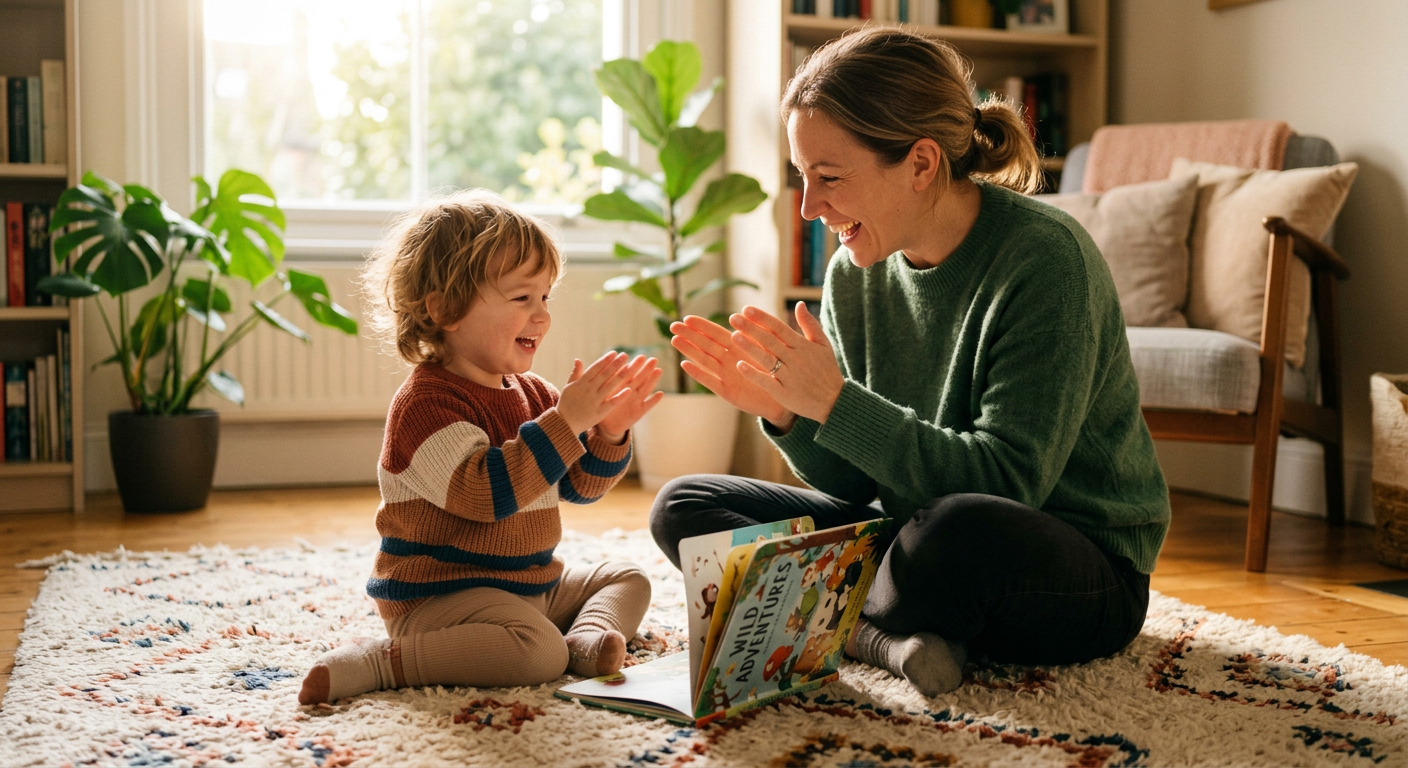
Understanding that words are made of parts is a vital pre-reading skill. You can turn any conversation into a game by clapping out the beats in words.
Start with names. "El-sa" gets two claps. "Ben" gets one. "Ba-na-na" gets three. This rhythmic activity helps children understand the structure of language. It is a screen-free way to build the same skills we reinforce through our curriculum. By making language physical, you help the child internalize the concept that words are not just single units of sound, but combinations of parts.
3. Environmental Print Awareness
Your home is filled with reading opportunities that do not involve books. The logos on food containers, the "STOP" sign at the corner, and the labels on toy bins are all forms of environmental print.
When your child recognizes the "M" on a restaurant sign, they are demonstrating an understanding that symbols carry meaning. You can encourage this by creating labels for common items in their room. Use a large, clear font to write "Bed," "Toys," and "Door." This subtle exposure helps them transition from recognizing pictures to recognizing text.
4. Purposeful Screen Time with Phonics
While physical play is paramount, many parents look for high-quality digital resources to supplement learning. The key is finding a platform that adheres to evidence-based methods. ReadAide was founded by a teacher to ensure that screen time is never wasted.
Unlike apps that rely on repetitive games without a pedagogical core, our platform uses an AI story generator to create decodable content tailored to your child's current level. For a three-year-old, this might mean starting with simple letter-sound associations. You can explore our different [membership options](/pricing) to find a plan that fits your family's needs as your child grows from CVC words to complex vowel teams.
5. Storytelling with a Twist
At age three, children have vivid imaginations. Instead of just reading a book cover-to-cover, try "dialogic reading." Ask open-ended questions like, "What do you think will happen next?" or "Why does the bear look sad?"
You can even let your child "read" to you by describing the pictures. This builds narrative skills and vocabulary, both of which are essential components of the reading rope. When a child feels like a storyteller, they gain the confidence necessary to become a reader.
Making it a Habit
The most successful early reading activities 3 year olds engage in are the ones that happen consistently and without pressure. Try to dedicate ten minutes a day to focused sound-play. Whether it is during breakfast, bath time, or the commute to preschool, these small moments accumulate into significant cognitive gains.
Remember that every child develops at their own pace. Some three-year-olds will be eager to identify every letter they see, while others will prefer to focus on the stories and rhythms of language. Both paths are perfectly normal. Our goal at ReadAide is to provide the tools and support you need to navigate this journey with confidence, ensuring your child develops a lifelong love for reading through methods that actually work.
Ready to start your child's reading journey? 🚀
Try ReadAide free with select lessons.
Get Started Free